Understanding Mahjong: A Deep Dive into The Classic Game
Mahjong is a traditional Chinese game that has captured the attention of players around the world. Its origins date back to the Qing Dynasty, and today it is enjoyed by millions, transcending cultural boundaries. The game is a combination of skill, strategy, and chance. Enthusiasts often play Mahjong for its complexity and the rich social interaction it promotes.RICO55
The Origins of Mahjong
Mahjong, often referred to as "mah-jongg," started in China during the mid-19th century. There are various theories regarding its inception. Some suggest it was developed from ancient card games, while others believe it evolved from dominoes. Regardless of its exact beginnings, the game became extraordinarily popular throughout China in the early 20th century, spreading quickly across Asia and eventually to western countries.
61rrThe Basic Rules of Mahjong
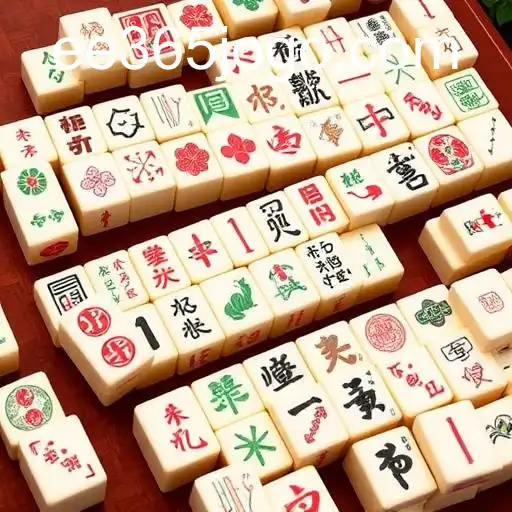
RICO55A standard Mahjong set contains 144 tiles, which are divided into several categories: Characters, Bamboos, Dots, Winds, Dragons, Flowers, and Seasons. Each type of tile plays a specific role in achieving a winning hand. Mahjong can be played with either three or four players, depending on the regional rules being followed.
The primary objective is to form a complete hand, which typically consists of four melds and a pair. A meld is a group of three tiles that can be set in various forms, such as a Pung (three identical tiles) or a Chow (three consecutive tiles in the same suit).
Popular Variations of Mahjong
Mahjong has many variations that differ in scoring, tile usage, and rules. These variations can be categorized based on their geographical origins:
- Cantonese Mahjong: A popular variant known for its intricate scoring system.
- Japanese Riichi Mahjong: This version adds an element of luck with the inclusion of the decorative Yaku.
- American Mahjong: Played with additional unique tiles and has its own distinctive set of rules.
6RREach variation offers a unique twist on the game, enriching the play experience and broadening its appeal.
The Role of Strategy in Mahjong
Strategic thinking is crucial in Mahjong. Players must evaluate their tiles and assess risks as the game unfolds. Several strategies can be employed to improve the odds of winning. Experienced players typically start by improving their hands early in the game while shielding their intentions from opponents.ztzt
Timing and adaptability are essential skills. Observing opponents' discards can reveal valuable insights into their strategies. Successful players use this information to adjust their own tactics mid-game, whether by playing offensively or defensively.
Online Mahjong: Digital Transformation
With the proliferation of digital gaming platforms, Mahjong has seamlessly transitioned into the digital era. Websites like "ee365.com" offer enthusiasts the opportunity to play Mahjong online, connecting with players across the globe. These platforms often include features such as leaderboards, tutorials for beginners, and a variety of game modes.
Moreover, digital Mahjong eliminates physical setup and space constraints, making it highly accessible. As a result, online platforms are an excellent way for beginners to learn and for seasoned players to hone their skills.
The Cultural Impact of Mahjong
Mahjong holds a significant place in Asian cultures, often seen in family gatherings and social events. It represents more than just a game; it's a cherished tradition passed down through generations. In the West, Mahjong has also found a new audience, largely due to its intellectual appeal and deep-rooted heritage.
The game has inspired various cultural references in literature, films, and television, contributing to its global popularity. Its rich history and lasting influence have ensured that Mahjong remains relevant and beloved in the modern world.